
A Guide on Preventing Mold and Mildew in Your Shower
Mold and mildew pose a serious threat in homes, especially in areas where moisture lingers and becomes a breeding ground for these harmful spores. Mold contributes to unhealthy indoor air quality, which can cause breathing trouble and allergic reactions. It can also lead to structural damage in porous surfaces like wood, drywall and insulation. High-risk areas include showers and wet rooms, where dampness is most common.
The best way to prevent mold and mildew in the shower area is to keep the space clean, dry and ventilated. Below are tips for doing so as well as products that make this easier, such as the AirJet Shower Drying System, designed to dry surfaces and eliminate the environment in which mold and mildew thrive.
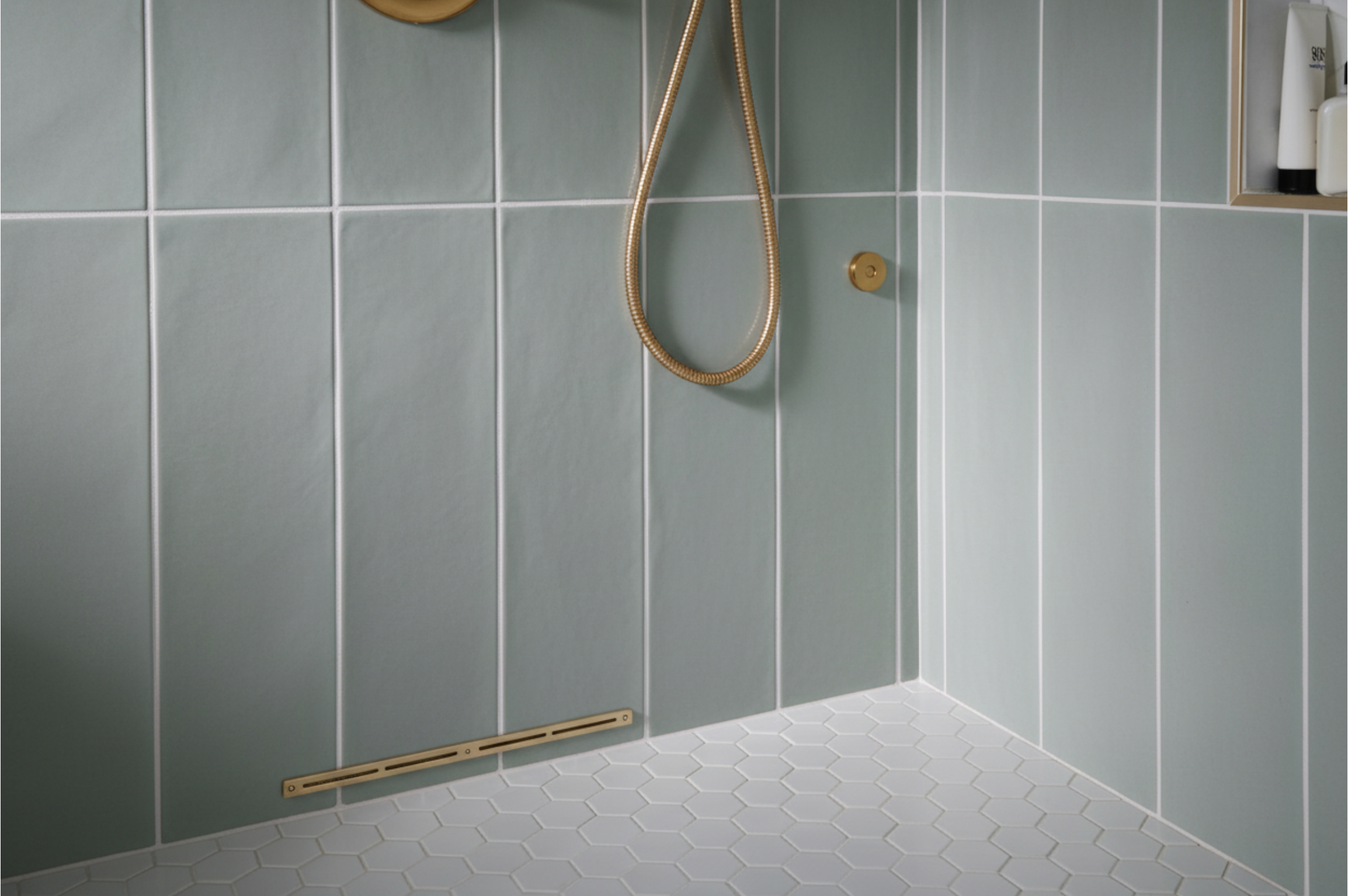
The AirJet Shower Drying System is designed to dry surfaces and eliminate the environment in which mold and mildew thrive.
Keep Walls, Floors and Ceiling Dry
Mold and mildew need moisture to grow. Eliminating lingering humidity is key in preventing the growth of harmful fungus. The AirJet Shower Drying System brings forced air into the shower space or wet room to quickly dry the walls, floors and ceiling. By significantly reducing drying time, the AirJet System promotes a healthier bathroom environment and improved indoor air quality.
Run the Exhaust Fan
An exhaust fan removes humid air, steam and odors from the bathroom, drawing them outside. It is recommended to run the exhaust fan during each shower and for about 20 minutes afterward. If possible, crack the bathroom door or a window to allow excess humidity to escape. Both methods work best in tandem with the AirJet Shower Drying System. As Airmada’s system circulates forced air into the space, moisture is pulled out of the bathroom space and vented directly outdoors via the fan or ajar window.

Pairing the AirJet Shower Drying System with a traditional bathroom exhaust fan ensures forced air is circulated into the space and moisture is vented outdoors.
Wash Shower Surfaces
Residues from soap, shampoo and body oils settle into shower crevices, giving mold and mildew a steady food supply. To prevent this, wash shower surfaces regularly with a bathroom cleaner and keep them dry. Pay special attention to horizontal surfaces and hard-to-reach corners where water may collect, including along shower bases, on shelves and in niches. Keep in mind that while mold may often appear as black, green, pink or red spots, it may also be marked by a musty odor or go virtually undetected while still posing health risk to you and your family.
Check Caulk and Grout
In showers and wet rooms, mold tends to build up within porous materials exposed to constant moisture such as caulk and grout. Poor bathroom ventilation can worsen this problem. Keeping caulk and grout lines dry is key in preventing the growth of harmful fungus and bacteria. If these lines often remain wet after a shower, additional cleaning or even replacement may be required. If caulk and grout are already deteriorating, be sure to address this as small cracks allow water to seep deeper beneath the surface where it cannot air dry. Cut out old or dirty caulk completely, sanitize the clean gap and re-apply a high-quality silicone around bathtub and shower base edges.
Ultimately, preventing mold and mildew in the shower starts with keeping moisture under control, and the AirJet Shower Drying System is designed to make that process easier. By quickly drying shower surfaces, the system eliminates the need for hand drying, reduces the use of harsh cleaning chemicals and helps protect the life of tile and grout. Combined with proper ventilation, the AirJet Shower Drying System helps create a cleaner, drier shower environment while squelching the conditions that allow mold and mildew to thrive.